
The headline FERC chose for this action: “Aggressive Targeted Action to Speed Large Load Integration.”
Their words, not ours.
What FERC is actually saying
The orders address five specific categories of reform: transmission study processes, cost transparency and cost-shifting protections, co-location and behind-the-meter generation rules, new transmission services for flexible large loads, and study processes for generation facilities serving proximate large loads.
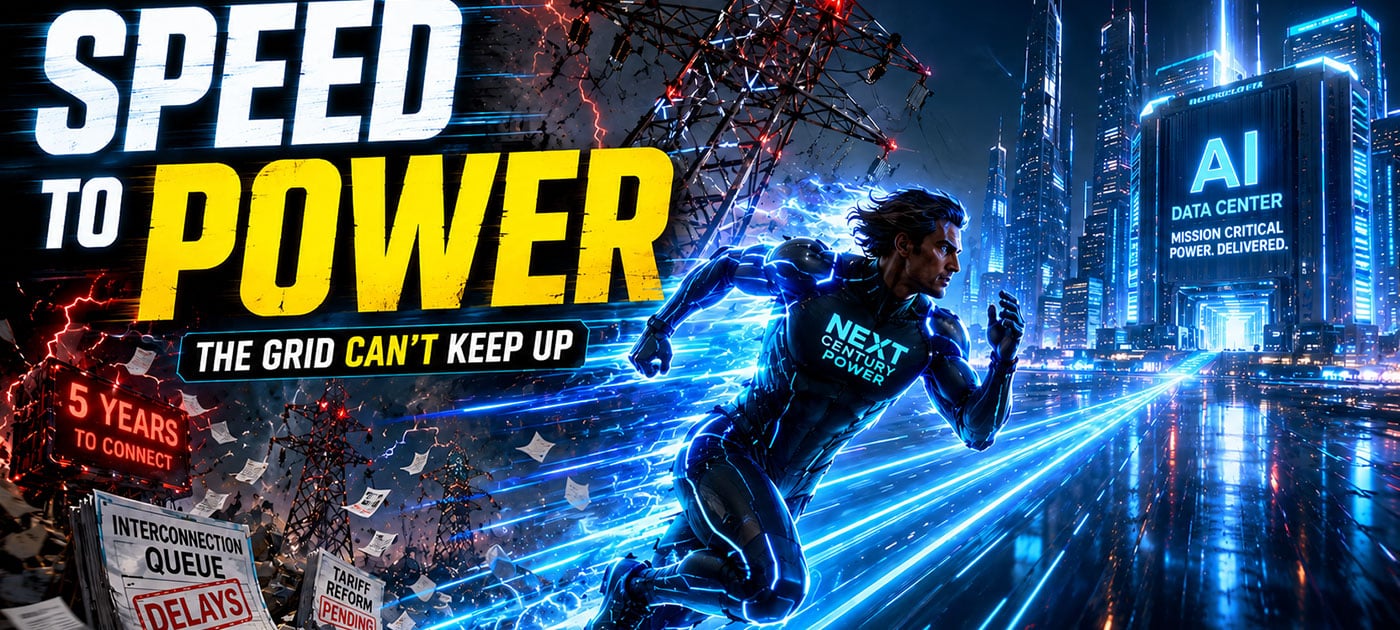
Read between the lines and the message is clear: data centers, AI facilities, and major manufacturing operations are connecting to the grid faster than the grid’s rules were designed to handle. The interconnection queue process is broken. Tariff structures weren’t built for loads at this scale. And the status quo — where a data center operator waits years for a grid connection while demand compounds monthly — is now a national security and economic competitiveness issue.
FERC Chairman Laura V. Swett put it directly: “We are setting the stage for a resilient, reliable, and forward-thinking grid that empowers communities and safeguards consumers by transforming the way large energy users access the grid.”
That transformation is overdue. And even optimistically, the regulatory process that follows — 60-day response windows, tariff filings, stakeholder comment periods, potential litigation — means meaningful reform is still years away from showing up as actual electrons at a new data center site.
The gap FERC can’t close
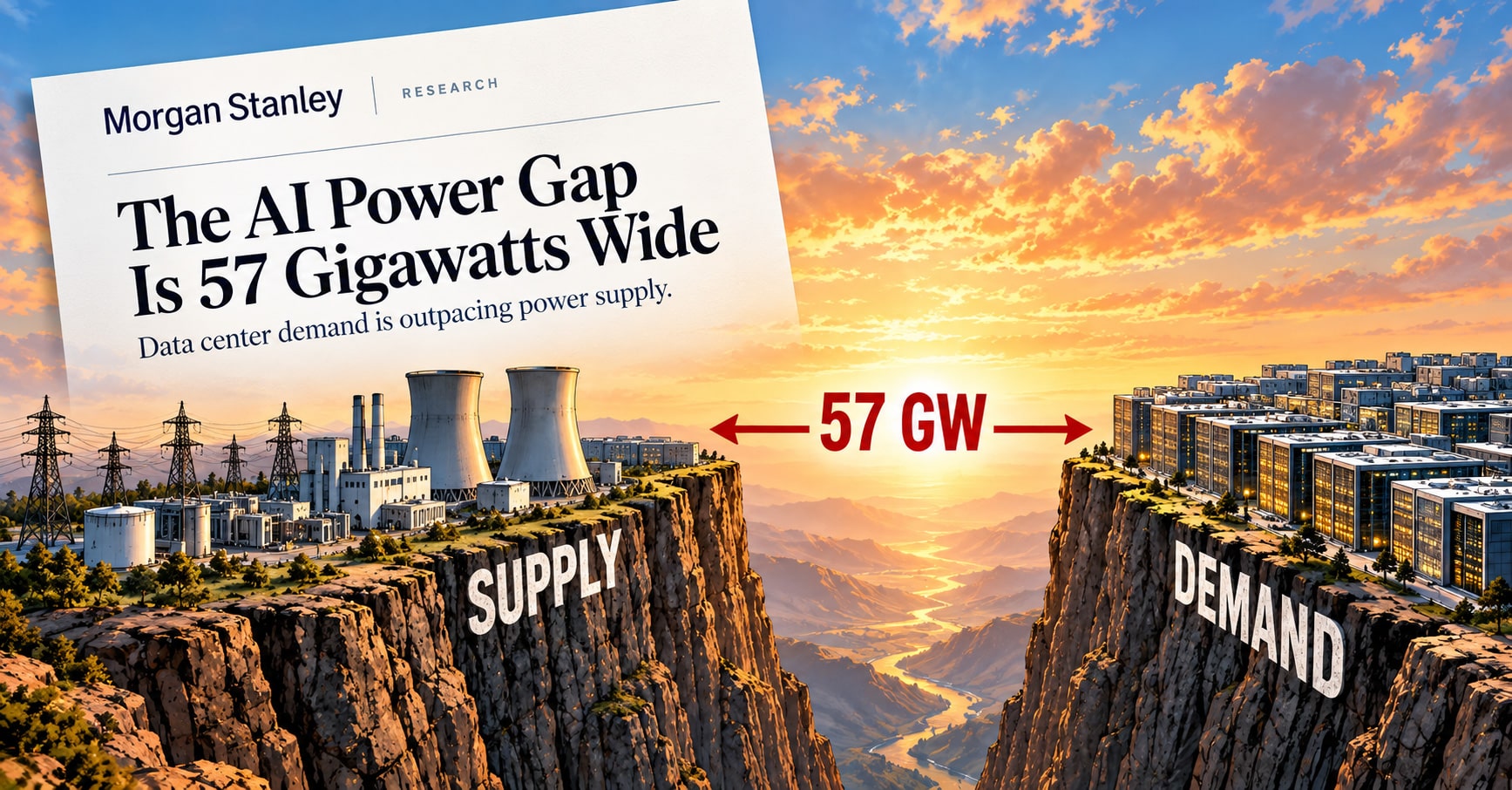
Here’s what FERC’s action confirms, and what it can’t fix on its own: the fundamental mismatch between when data center operators need power and when the grid can deliver it.
The Commission can order tariff reforms. It cannot compress interconnection timelines from five years to eighteen months. It cannot add generation to markets where capacity is already strained. And it cannot deliver the dedicated, single-tenant reliability that hyperscale AI workloads actually require — the kind of uptime that a shared grid, by its nature, cannot guarantee.
That’s the gap Next Century-Power was built to close.
Speed to power — right now, not after the rulemaking
Our model doesn’t wait for tariff reform. We develop and operate on-site, independent power generation for large data centers — starting with large-scale gas turbine microgrids in islanded configurations, designed for the four-nines (99.99%) uptime that mission-critical AI infrastructure demands. On-site generation can be contracted, permitted, and delivering power in a fraction of the time it takes to reach the front of an interconnection queue.
As sites mature, we transition them to our long-term product: a 1.2GW pod system built from four integrated 300MW small modular reactors, with carbon capture technology that supports net-zero goals without sacrificing the speed or reliability that got us there in the first place.
FERC’s action is a meaningful signal that Washington understands the urgency. It’s also a reminder that regulatory signals and regulatory outcomes are separated by years of process. The data centers being announced today — and the AI workloads going live inside them — can’t wait for that process to complete.
The power has to be there on day one.
Source: FERC Launches Aggressive Targeted Action to Speed Large Load Integration, Federal Energy Regulatory Commission, June 18, 2026