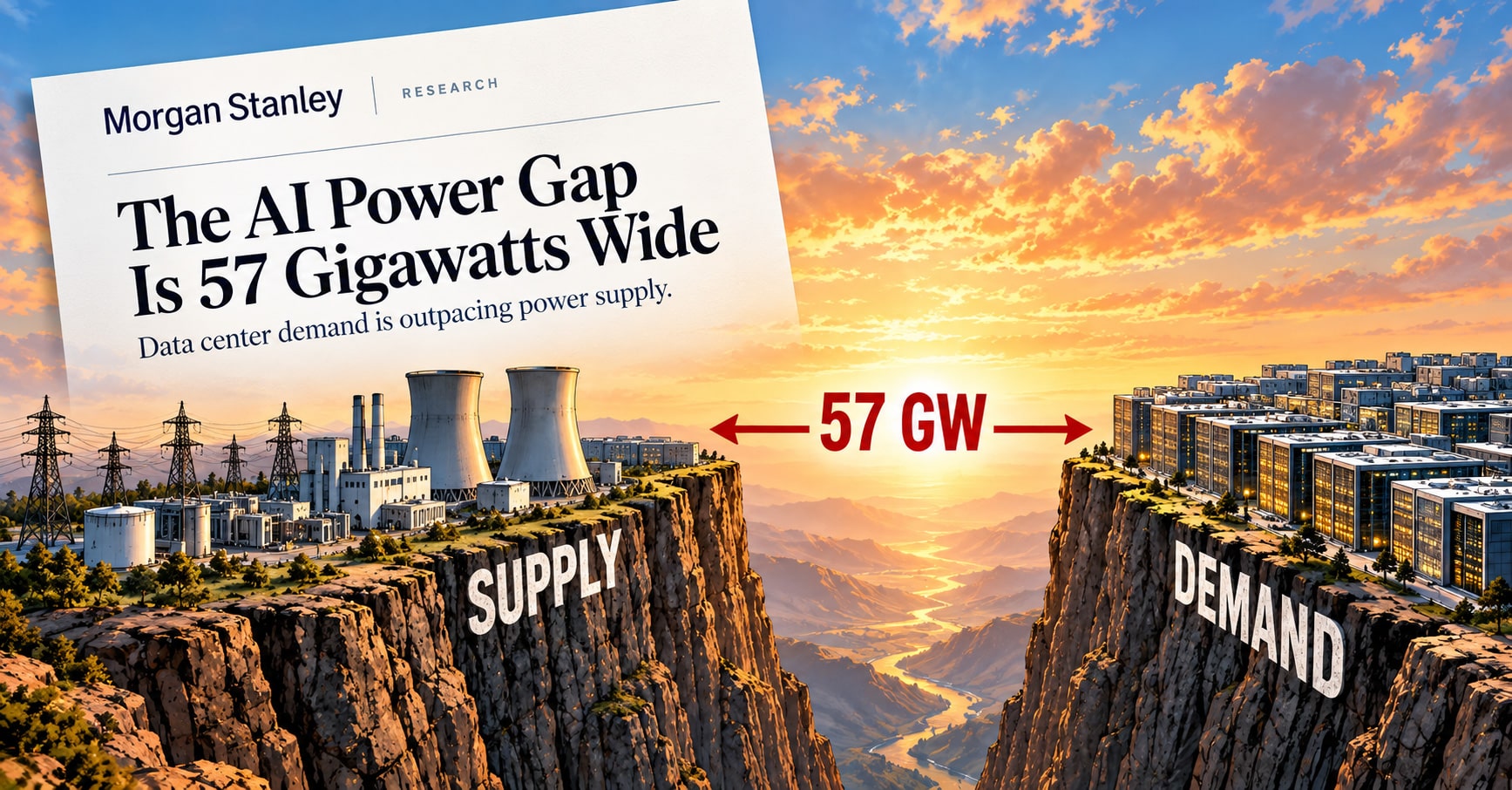


In January, during Winter Storm Fern, the Department of Energy issued an emergency order authorizing PJM Interconnection to curtail data centers across 13 states. In May, it happened again during an unseasonable heat wave. On June 30, with temperatures forecast to push PJM’s peak demand above 166,147 MW and break a record that has stood since 2006, the DOE issued two more emergency orders. Data centers with at least 50 MW of peak load were directed to switch to their own backup generators within 15 minutes of an emergency signal.
Three times in six months. The pattern is no longer an anomaly.
What a 202(c) Order Actually Means for a Data Center
Section 202(c) of the Federal Power Act gives the Energy Secretary authority to issue emergency measures during grid reliability crises. In practice, that authority was used this summer to treat data centers as interruptible load, essentially the same category as an industrial manufacturer that agrees to curtail usage when the grid is under stress.
For context on what the grid is managing: PJM is the largest wholesale electricity market in the world, coordinating power for 67 million people across 13 states and the District of Columbia. Data centers account for 4 percent of US power demand today. The DOE expects that figure to reach 9 percent by 2030. A typical hyperscale facility requires between 100 and 300 MW, comparable to the electricity consumption of a city of several hundred thousand people.
As Al Jazeera noted in its coverage of the July heatwave, cooling systems alone account for up to 40 percent of a data center’s electricity use during normal weather. That figure rises as temperatures climb, meaning the precise moment the grid comes under maximum stress is also the moment data centers are drawing hardest on it.
Energy Secretary Chris Wright, in defending the orders, stated: “Maintaining affordable, reliable, and secure power in the PJM service territory is non-negotiable.” He is right. The implication, though, is that when non-negotiable choices have to be made, data centers are the load that gets cut first.
A Backup Generator Is Not the Same as Independence
The emergency order requires data centers to switch to backup generation within 15 minutes. For most facilities, that means diesel generators designed to keep critical systems alive during a brief outage. They are not designed to sustain a 200 MW AI training run for an extended period. The distinction matters: keeping the lights on and keeping the workload running are two different definitions of “staying on,” and most backup generation strategies only accomplish the first one.
Texas Governor Greg Abbott, speaking during the same heat emergency, called for data centers to generate their own power. He is describing, without naming it, the specific model that addresses this problem. Not backup generation. Not a utility agreement with a curtailment clause buried in the tariff. Purpose-built, dedicated, on-site generation that operates independently of the shared grid from the start.
Next Century-Power develops and operates exactly that: dedicated, single-tenant power in islanded microgrid configurations that do not draw from PJM or any other RTO during operation. A facility powered by NCP does not receive an emergency curtailment signal because it is not part of the grid that issues one. The initial infrastructure is large-scale gas turbine generation at 1GW and above, capable of coming online far faster than a grid interconnection. The long-term path is a 1.2GW pod system of four integrated 300MW small modular reactors, providing stable, carbon-captured power on a decadal contract horizon.
The heatwaves that drove this summer’s emergency orders will not be the last. The DOE’s own projections show data center power demand more than doubling as a share of national consumption by the end of the decade. More demand competing for the same grid capacity means more conditions under which curtailment becomes the regulator’s only available tool.
The three emergency orders of 2026 are a useful preview of where the industry is headed. The question for data center operators is whether, by the time the next one arrives, their power is on the grid or off it.