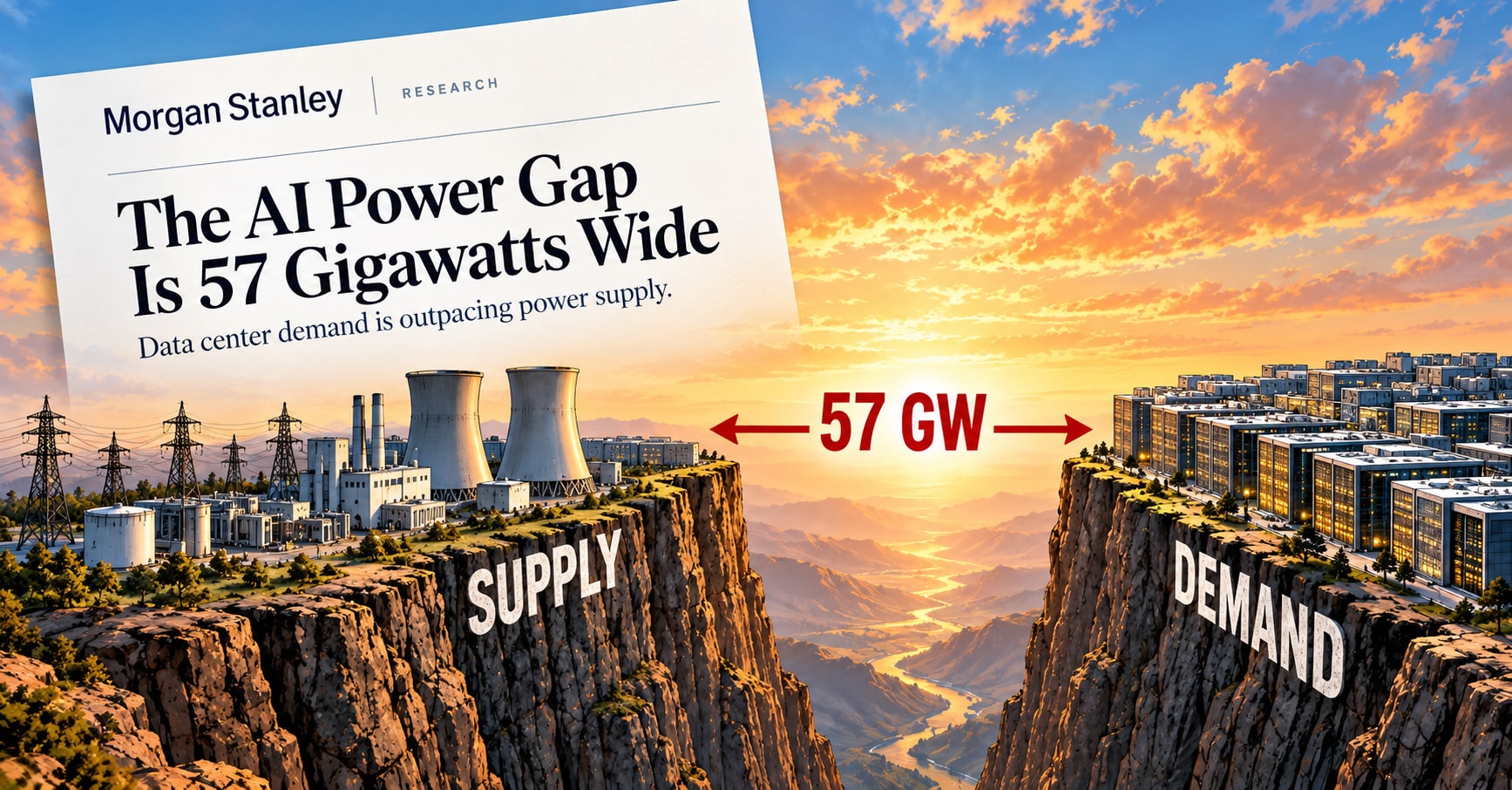

PJM capacity prices have risen more than elevenfold since 2024. The largest power grid in the United States, covering 13 states and roughly 65 million customers, is running short on supply. And the grid operator’s response to the data center industry is increasingly blunt: bring your own power, or get cut off first when shortages hit.
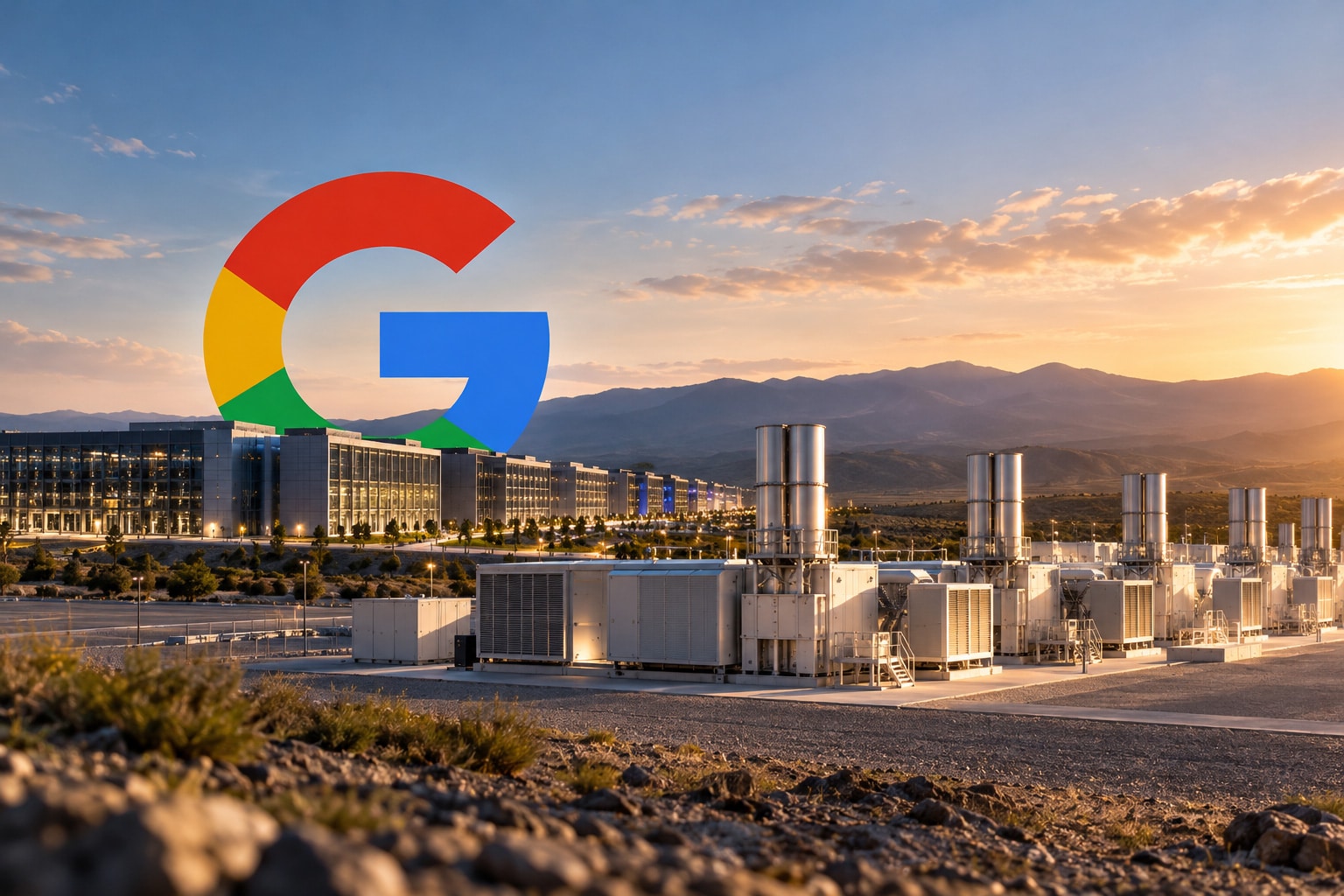
On October 6, Google and Constellation Energy responded with the largest power deal in recent memory. Google contracted for 3,590 megawatts of electricity from Constellation within the PJM footprint. The two companies described the arrangement explicitly as a response to PJM’s “bring your own power” proposal, and Constellation’s CEO called it a “model for how technology companies and the energy industry can work together to responsibly develop the digital economy.”
It is a significant deal. It is also worth reading carefully.
What the Deal Actually Covers
The 3,590 megawatts breaks into two separate agreements. The first is a 20-year power purchase agreement for 890 megawatts from Constellation’s nuclear fleet. Eleven reactor units across Illinois, Pennsylvania, and New Jersey will be upgraded to increase their output, and Google gets the incremental capacity. First delivery from those upgrades is expected in 2028.
The second agreement covers the remaining 2,700 megawatts under a 15-year supply deal. That portion is not tied to any specific generation source. It provides long-term revenue certainty for Constellation’s existing plants, and it gives Google a financial hedge on power costs. But it does not create new generation. It does not move any electrons that were not already moving.
Constellation will invest more than $4.3 billion in its fleet as part of the arrangement. That is a real commitment to new capacity. But new nuclear capacity, in the form of uprated existing reactors, arrives in 2028 at the earliest, and only for the 890-megawatt tranche. The other 2,700 megawatts is supply coverage, not supply creation.
The Problem That Persists
PJM’s “bring your own power” proposal is still pending at FERC. Its final form is unsettled. Capacity prices have risen elevenfold, and the grid has a shortfall, but the regulatory framework for how large loads and their generation obligations interact is still being written. A company that signed a deal today would be navigating a grid whose rules look different in 2028 than they do now.
More fundamentally, the nuclear uprate path is constrained by what already exists. You can squeeze more output from a licensed reactor faster than you can build a new one. But you cannot put a nuclear uprate in a location where no nuclear plant exists, and you
cannot accelerate a 20-year PPA into operational power by the time a data center needs to go live next year.
The deal Google and Constellation built is a serious, well-structured answer to a serious problem. It is also a deal that a handful of companies can replicate: those large enough to commit to 20-year contracts, with enough grid exposure in PJM to make the economics work, negotiating with one of a small number of nuclear operators with uprate potential in the right geography. For everyone else, including the next tier of hyperscalers and the data center developers building the AI infrastructure that does not make Bloomberg headlines, the grid queue remains what it was before Tuesday’s announcement: years long, oversubscribed, and indifferent to deployment timelines.